Blackout Smart Blinds: Achieving Total Light Control
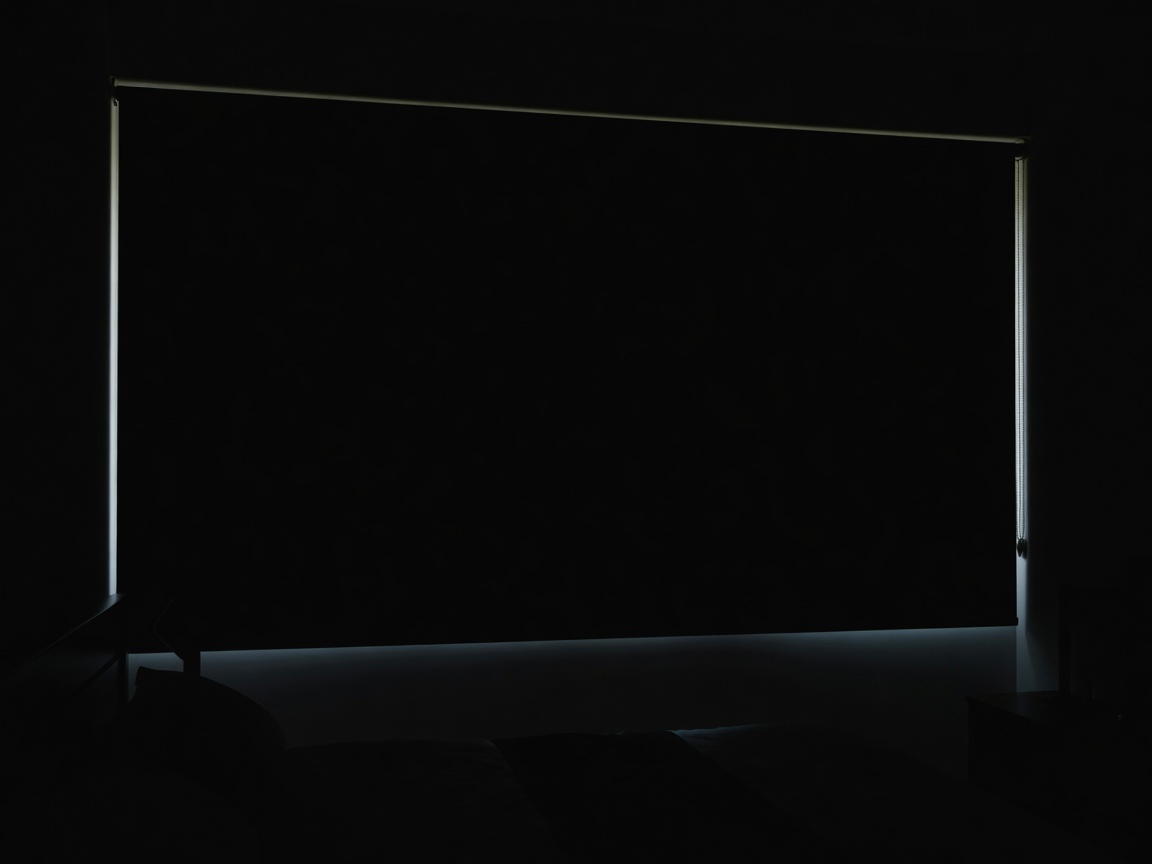
The pursuit of a perfectly dark room is a common requirement for shift workers, parents of infants, and home cinema enthusiasts. While the premise of a "blackout" blind seems straightforward—block the sun—the mechanical execution in an automated system requires addressing physics and geometry. Combining high-opacity fabrics with smart automation elevates a basic necessity into a sophisticated environmental control system.
The Light Bleed Problem
The most frequent disappointment with new blackout blind installations is the realization that a 100% opaque fabric does not equal a 100% dark room. The issue is "light bleed," also known as the halo effect.
When a motorized roller shade is installed inside a window frame (inside mount), there is necessarily a gap between the edge of the fabric and the window jamb. This gap is required so the fabric does not scrape against the wall as it unrolls. On the motorized end of the tube, this gap must be even wider to accommodate the motor head, antenna, and charging port. Sunlight pouring through these vertical gaps reflects off the window frame and brightly illuminates the room margins.
Engineering Solutions for Absolute Darkness
To overcome light bleed, manufacturers and installers utilize several physical modifications:
- Outside Mount Implementations: Mounting the blind on the wall above the window rather than inside the frame allows the fabric to overlap the opening by 2 to 3 inches on all sides. This drastically reduces direct light paths, though ambient light may still glow from behind the overlap.
- Side Channels (U-Channels): The ultimate solution for inside-mount setups. Aluminum or plastic tracks in a 'U' shape are adhered to the vertical sides of the window frame. The edges of the blackout fabric run down inside these tracks. This physically traps the light, resulting in a near pitch-black environment.
- Top Cassettes and Valances: Light can also bleed over the top of the roller tube. Installing a tightly fitted cassette or a padded valance blocks the top-gap light path.
Fabric Opacity vs. Thermal Load
True blackout fabrics achieve zero light transmission through the use of an acrylic or Mylar backing fused to the decorative front fabric. This backing material is impervious to light.
However, this creates a secondary effect: thermal trapping. When an opaque blind is fully lowered against a sun-facing window, the solar radiation passes through the glass, hits the backing of the blind, and converts to heat. This trapped hot air can raise the temperature of the window glass significantly, and in rare cases involving poorly ventilated double-pane windows, can risk thermal stress fractures.
Smart automation provides an elegant solution to this thermal issue. Rather than leaving blackout shades fully closed 24/7, smart systems can be programmed to partially vent the shades during peak afternoon sun, allowing trapped heat to dissipate while maintaining privacy, and then fully closing them an hour before bedtime.
Sleep Optimization and Scheduling
The intersection of blackout capability and automation is profoundly impactful for sleep hygiene. Human circadian rhythms are heavily influenced by light exposure.
| Automation Strategy | Health / Lifestyle Benefit |
|---|---|
| Astronomic Scheduling (Sunset) | Ensures darkness aligns with natural evening, promoting melatonin production regardless of seasonal time shifts. |
| Gradual Morning Rise | Motors can be set to open 10% every five minutes starting 30 minutes before wake-time, simulating a gentle sunrise. |
| Nursery Nap Buttons | A wireless smart button by the door instantly drops shades, dims lights, and triggers white noise for infant nap times. |
Conclusion
Automated blackout blinds offer unparalleled control over your home's most critical environments. However, realizing their full potential requires managing expectations around light bleed. By investing in side channels or opting for outside mounts, and leveraging software to align the shades with your biological clock, you create a dynamic system that actively contributes to your daily well-being and comfort.